
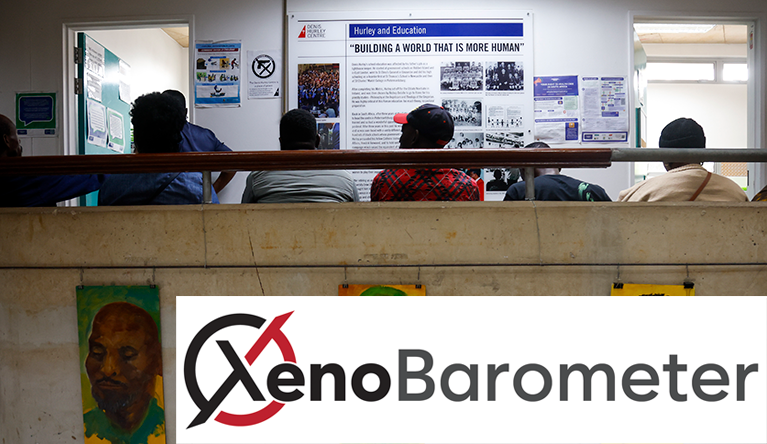
The Denis Hurley Centre (DHC) in downtown Durban has often been the last hope for desperate people: it is the only non-profit clinic of its kind offering holistic medical care to the city centre’s homeless and indigent.
But, lately, the DHC’s Dr Rishigen Viranna has been compelled to do something which he never imagined would be part of this job: turn away patients whom he believes may die as a result of not accessing the medication they desperately need.
The clinic has seen an influx of foreign-born patients in need of chronic medication after losing access to public healthcare. March and March vigilantes have been staking out public healthcare facilities and unlawfully denying access to immigrants since launching their blockades in July 2025.
This influx has coincided with a fraught time for the clinic, which says its supply of TB and HIV medication from the KwaZulu-Natal Department of Health was inexplicably suspended in December last year.
In light of the increased demand and decreased supply, the clinic reports that its expenditure for medication has increased tenfold, from R10 000 to around R100 000 per month. Still, it is not enough.
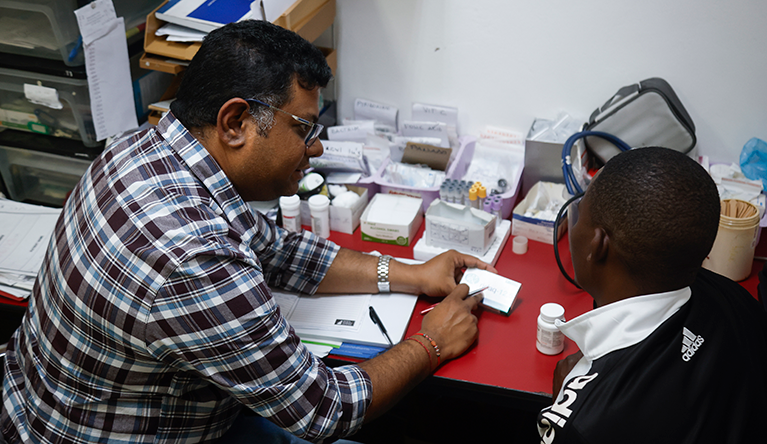
“It’s the hardest thing in the world to stand helpless in front of someone who is crying for life-saving medication,” said Leanne Banks, the DHC’s chief operating officer.
Survey findings
For this report, the DHC shared the raw data and results from a recent survey of 294 patients to the clinic over a five week period starting in July 2026.
Of these patients, 239 were foreigners
Of the foreign nationals surveyed, 184 had tried to access a government healthcare facility in the previous year. Of these, 92% said they had been prevented from accessing the facilities, even after presenting documentation.
“At least 72% of those prevented from collecting medication had documents indicating they were legally in South Africa,” the survey findings read.
This has lent further credence to the fact that March and March supporters and other anti-immigrant groups have blocked many documented, legally resident foreign nationals from accessing health care facilities in Durban. This, despite the movement’s stated focus on protecting South African jobs and services from “undocumented” immigrants.
An interfaith refuge in Durban
Named after Catholic anti-apartheid campaigner Archbishop Denis Hurley, the DHC functions on donations from Christians, Muslims, and Jews. It prides itself on being a living example of interfaith co-operation in Durban, feeding 350 people five days a week.
It has also operated the clinic for over a decade. A portion of the DHC’s ground floor serves 1200 patients every month. Dr Viranna is assisted by a medical staff of eight and two volunteers.
Whereas immigrants used to make up a minority of the clinic’s patients (around 30 percent), Viranna says the number has more than doubled in recent months as a result of xenophobic mobilisation in Durban.
And, it is not only foreign nationals who have been diverted to the clinic, said Viranna. South African homeless people who do not possess identity documents are equally in danger of being turned away at the gates of public hospitals and clinics for their failure to present documentation.
Beaten and bruised
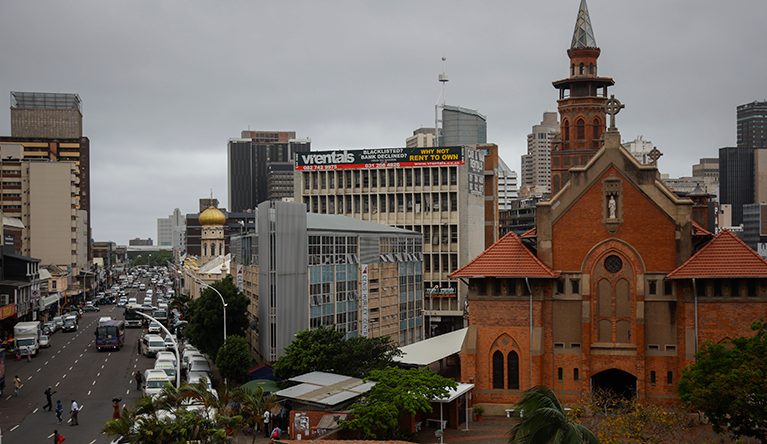
The centre is a triangular building wedged between Emmanuel Cathedral, the gold-domed Juma Masjid Mosque, and the bustling Victoria Street Market. This reporter visited there on Monday, where entrance fronts onto the cracked, litter-strewn pavements of downtown Durban.
Here Mongezi Mtolo, a former drug addict who has been clean for five years and lived on the streets for 11 years, mans the entrance. He credits the DHC for giving him a second chance in life – he is now a security guard and he helps process patients.
Poor people in ragged clothes clutched their belongings as they queued.
They are frightened and they are suspicious, Mtolo explained. Some had been the victims of violence.
“This is so sad. Patients sometimes come here beaten and bruised. They are here because they can’t get help anywhere else,” Mtolo said.
Turning the sick away
Overwhelmed by the numbers of new patients, staff at the DHC have been forced to direct some to government clinics outside the city centre, where March and March supporters are less likely to be blocking access.
“It’s incredibly traumatic for the people being turned away,” Viranna said.
“People have been chased out of their homes, lost their jobs, and now they cannot get life-saving medicine. They are anxious and depressed.”
DHC staff say they do not know why the province’s Department of Health stopped supplying it with antiretrovirals (ARVs) and TB medication. Numerous engagements with the department, aimed at reviving the supply, have failed, they said.
“We really rely on the Department of Health and look forward to working with them to overcome this. The situation we are in is sad and unfair. The court says everyone has the right to health care,” said Bridget Ward, the DHC’s incoming director.
It is not lost on the staff at DHC that the medications in such short supply in their dispensary are freely available at public health care facilities.
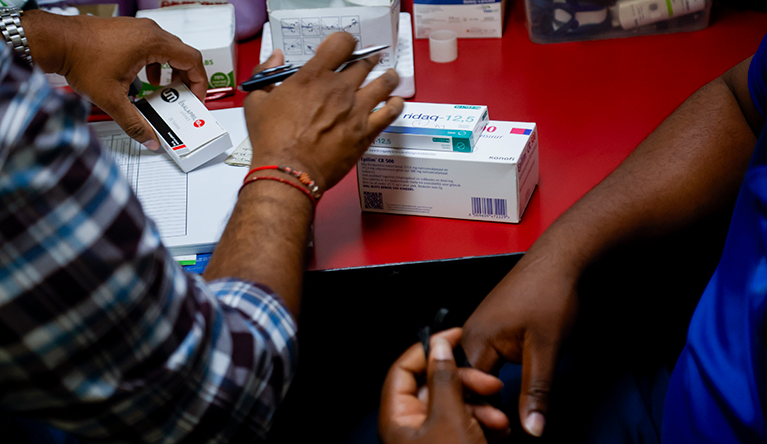
“This treatment is available. It is access that is the problem. Either the police are powerless, or they choose not to stop protestors from barring patients,” said Viranna.
“Our staff go through intense mental strain. Some patients arrive beaten or stabbed. These injured patients are attended to, but the new chronic, HIV and TB patients now have to be turned away. There is a lot of anger, stress and sadness. What are people going to do?”
The Department of Health was sent a list of questions seeking clarity and comment on the survey results and the supply of medicines to DHC. They did not reply to the questions by the time of publishing.
The department was also asked how many patients were barred from accessing state hospitals, what steps it was taking to prevent this, and what the impact was on serious communicable diseases.